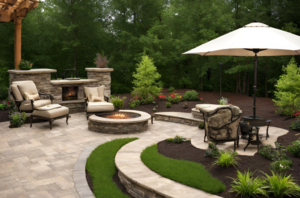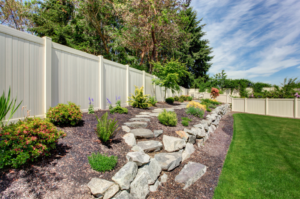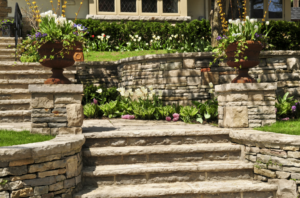
When planning backyard landscaping, mature trees should be treated as focal points rather than obstacles. These trees provide shade, beauty, and ecological benefits that are difficult to replicate with younger plantings. Designing around existing mature trees requires careful consideration to preserve their health while enhancing the overall aesthetic of the space.
Designing Backyard Landscaping Around Mature Trees
Mature trees often serve as anchors for a backyard design, creating natural structure and defining zones. Their shade can dictate where seating areas, patios, or gardens are best placed. For example, shaded areas under large trees are ideal for cool retreats during hot summer months and for planting shade-loving plants.
When landscaping around existing trees, avoid using heavy construction or paving in this zone, and instead use mulch or permeable materials that allow water and air to reach the roots. Low-maintenance ground covers can be planted around the base to minimize erosion and create visual interest without competing with the tree for nutrients. Additionally, lighting can be used to highlight the tree’s form at night, turning it into a striking feature of the yard.
Planting New Trees in the Design
While mature trees provide immediate impact, new trees can be planted strategically to enhance the long-term design of the backyard. When choosing locations for new trees, consider their growth habits and how they will interact with existing features over time. For instance, smaller ornamental trees like dogwoods or Japanese maples can be placed near patios or walkways for visual appeal without overshadowing other plants.
Spacing is critical when planting new trees near mature ones. Young trees should be positioned far enough away to avoid competition for sunlight, water, and nutrients while still contributing to the layered look of a well-planned landscape. Think about how these new additions will grow over decades and whether they will complement or crowd out existing trees. Planning with future growth in mind ensures a harmonious design.
Selecting native species for new plantings is another smart choice. Native trees are adapted to local conditions and often require less maintenance while supporting local wildlife. Whether planting for privacy, shade, or aesthetics, ensure that new trees align with the overall vision of the backyard.
Pruning Mature Trees to Complement the Design
Pruning is an essential part of maintaining mature trees and ensuring they fit seamlessly into a redesigned landscape. Proper pruning enhances a tree’s natural shape while removing dead or damaged branches that could pose safety risks or detract from its appearance. It can also improve light penetration and airflow around the tree, benefiting surrounding plants.
When pruning mature trees to suit a new design, focus on creating balance and symmetry within the space. Our friends who operate a tree care service in Hingham, MA tell us that thinning out dense branches can open up views and allow sunlight to reach areas where new plantings are planned. Removing lower limbs may create more clearance for seating areas or pathways beneath the tree.
It’s important to hire professional arborists for significant pruning tasks to avoid damaging the tree or compromising its health. Professionals understand how much foliage can be safely removed without stressing the tree and can help shape it in a way that complements your landscaping goals.
Designing backyard landscaping around existing mature trees requires thoughtful planning that preserves their health while maximizing their aesthetic value. By carefully integrating new plantings and maintaining mature trees through strategic pruning, homeowners can create a beautiful outdoor space that blends functionality with natural beauty for years to come.